
Laos |
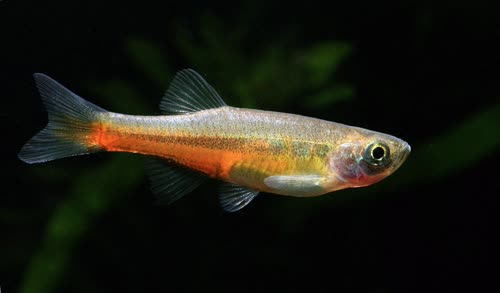
India |

Ganga-Brahmaputra-Meghna basin, India, Bhutan and Nepa |
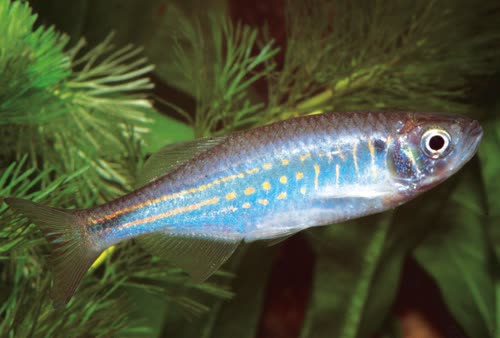
Myanmar |

Myanmar |
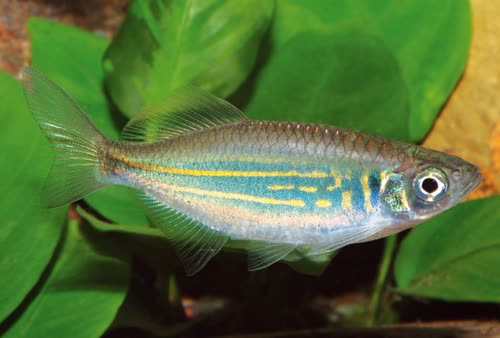
Myanmar |
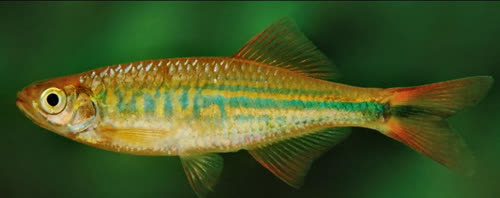
Gin River basin, Sinharaja World Heritage Site, Sri Lanka (Photo from Batuwita et. al. 2017 monograph on Sri Lankan Devario) Diagnosis: Devario annnataliae is distinguished from all Sri Lankan Devario by the combination of following characters: body depth 24–27 %SL; snout length equal to or greater than eye diameter; 5 or 6 irregular, dark blue vertical bars on anterior half of body; P stripe, originating just anterior to origin of dorsal-fin; 16–17 predorsal scales; 10½ branched dorsal-fin rays; 11½–14½ branched anal-fin rays; a minute process on first infraorbital; danionin notch present; dorsal fin origin to hypural distance, when carried forward, falling well short of posterior border of eye; pectoral-fin, when adpressed, just reaching pelvic-fin origin. |

Chittagong Division, Bangladesh. |

China |
|
Southeastern Asia |
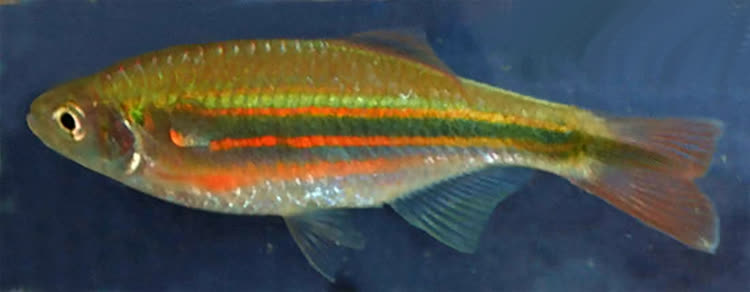

Myanmar |

China |

Chindwin River drainage, Manipur, India and Myanma |

Bangladesh, India, Myanmar, Nepal and Pakistan |

Ayeyarwaddy River drainage, northern Myanmar Ref: http://www.mapress.com/j/zt/article/view/zootaxa.4227.3.7/10025 |

Laos |
|
India |

Laos |

India |

China |

Border between Myanmar and China |

Found in the Kyson district for which it is named. |
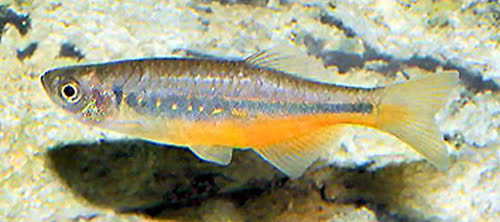
Southeastern Asia |
|
Laos |
 Kerala, India and Sri Lanka; introduced elsewhere (Photo and diagnosis from Batuwita et. al. 2017 monograph on Sri Lankan Devario) Diagnosis: Devario malabaricus is distinguished from all other members of the genus by the combination of the following characters: no process on 1st infraorbital; body depth 27–35 %SL; predorsal scales15–17; branched dorsal-fin rays11½–12½; branched anal-fin rays 12½–17½; danionin notch present; dorsal fin origin to hypural distance when carried forward falling well short of posterior border of eye; pectoral-fin tip almost reaching pelvic-fin origin when adpressed; snout length subequal to or greater than eye diameter; P stripe originating level with origin of pelvic-fin, 1–2 scale-widths anterior to dorsal-fin origin; P-1 stripe less than half width of P stripe, bifurcated anteriorly by a more or less broken whitish line; anterior half of body with 5–6 dark, irregular, vertical bars. No nuptial tubercles in both sexes. |
|
India |
 2020 Sudasinghea, Pethiyagoda & Meegaskumbura
Sri Lanka, Sudasinghea, Pethiyagoda & Meegaskumbura
|
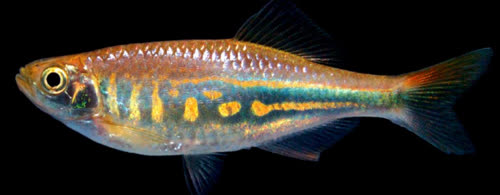 Kelaniweli Forest Reserve, Sri Lanka (Photo and diagnosis from Batuwita et. al. 2017 monograph on Sri Lankan Devario) Diagnosis: Devario micronema is distinguished from all other species of the genus by the combination of the following characters: body depth 29–30 %SL; snout length equal to or greater than eye diameter; 3–5 irregular, vertical bars on anterior half of body; P stripe broader than P+1 and P-1 stripes; 14–17 predorsal scales; 10–11 branched dorsal-fin rays; 12½–14½ branched anal-fin rays; a prominent, square-shaped process on posterior edge of first infraorbital; danionin notch present; dorsal fin origin to hypural distance, when carried forward, reaching to reaching posterior border of eye; pectoral-fin, adpressed, just reaching pelvic-fin origin. |

Mahaweli River basin, central Sri Lanka (Photo from Batuwita et. al. 2017 monograph on Sri Lankan Devario) Given its preoccupation in Devario by Leuciscus lineolatus Blyth, 1858 (Fang Kullander 2001; Kottelat 2013), Batuwita et. al. in 2017 provided the replacement name Devario monticola, nomen novum, for Danio lineolatus Bleeker, 1863. Diagnosis: Devario monticola is distinguished from all other species of Sri Lankan Devario by the combination of following characters: body depth 26–29 %SL; snout length equal to or greater than eye diameter; 4 or 5 dark, irregular, vertical bars restricted to anterior half of body; P-1 stripe narrower than P stripe, originating level with P stripe, extending to origin of caudal peduncle; 13–19 predorsal scales; 9½–11½ branched dorsa-fin rays, 12½– 15½ branched anal-fin rays; a process on first infraorbital; danionin notch present; dorso-hypural distance when carried forward falling well short of posterior border of eye; and pectoral-fin, when adpressed, not reaching pelvic-fin origin. |
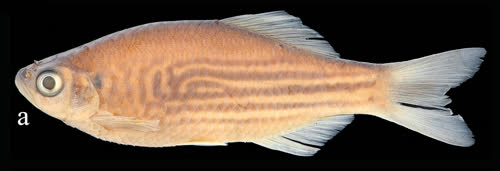
Ayeyarwaddy River drainage, Myanmar Ref: http://www.mapress.com/j/zt/article/view/zootaxa.4227.3.7/10025 |
|
India |

India |
|
India |
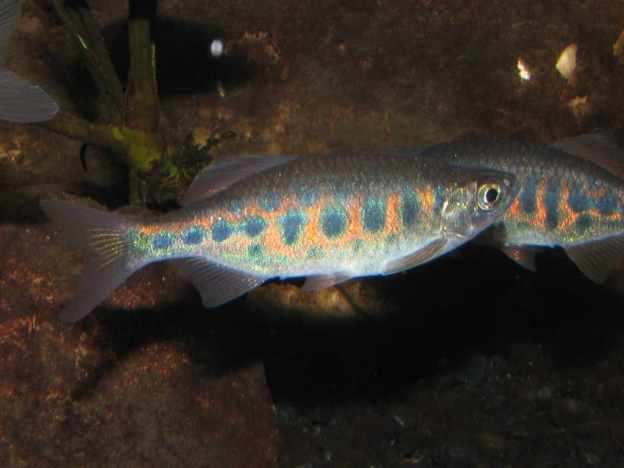
Nilwala basin, southwest Sri Lanka (Photo from Batuwita et. al. 2017 monograph on Sri Lankan Devario) Diagnosis: Devario pathirana is distinguished from all other species of the genus by the combination of the following characters: 8–9 dark, irregular bars on body between pectoral-fin origin and caudal-peduncle origin; P+1 and P-1 stripes absent; body depth 30–33 %SL; snout length less than eye diameter; 14–15 predorsal scales; 11½–12½ branched dorsal-fin rays; 14½ branched anal-fin rays; a blunt, knob-like process on 1st infraorbital; danionin notch present; dorsal fin origin to hypural distance when carried forward reaching middle of eye; pectoral-fin, when adpressed, just reaching pelvic-fin origin. |
|
Vietnam and aff. Laos |
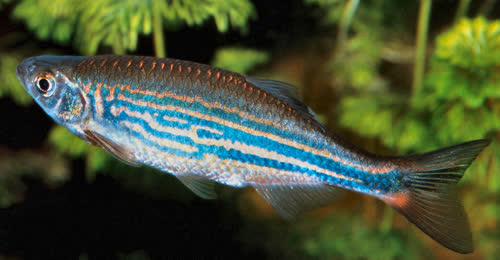
Thailand |
|
Laos |

Thanlwin basin, Myanmar and China |
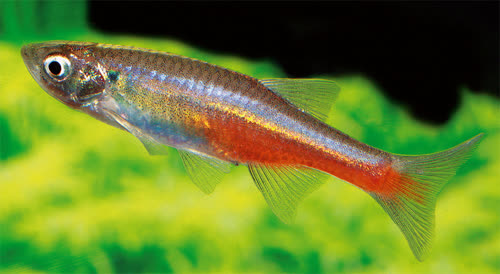
Thanlwin basin, Myanmar |

Myanmar |

Myanmar |
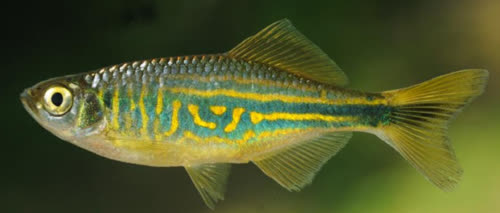
Gin River basin, Sri Lanka. (Photo from Batuwita et. al. 2017 monograph on Sri Lankan Devario) Diagnosis: Devario udenii is distinguished from all other species of the genus by the combination of following characters: body depth 26–36 %SL; snout length less than eye diameter; colour pattern consisting of 5–6 dark, irregular, broad, vertical bars anterior to level of dorsal-fin origin; 14–17 predorsal scales; 9½–12½ branched dorsal-fin rays and 12½–15½ branched anal-fin rays; danionin notch present; dorsal fin origin to hypural distance, when carried forward, reaching middle of eye; pectoral-fin, when adpressed, reaching pelvic-fin origin; P-1 stripe subequal in width to P stripe. |

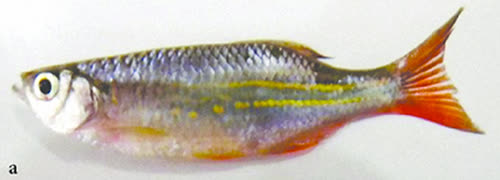
Border areas of Manipur, India and Myanmar |